

TO OUR LOYAL READERS: Hi everyone, Brian here. Before we jump into today’s article, a quick favour to ask: we’re working to grow our community this year. We’re proud to be in the top 1% of Substack publishers for consistent, free content.
If you enjoy our work, please consider sharing our Substack with a friend or colleague. It’s a simple way to support us and spread the word.
Thanks so much — now, here’s today’s article.
Our ancestors say, the earth remembers every footfall and the wind carries every vow; A broken vow will awaken the dead never let there be a doubt
Rain seemed to have abandoned the island of Trinidad. It was the dry season. But this heat was something else again. In the village of Palo Seco, where parched fields cracked like old pottery, lived Amina. She was a beautiful girl of mixed heritage. A dougla girl who carried the best of both her parents’ races. Her Indo-Trinidadian father, Rajesh, had fallen in love with Olivia the first time he laid eyes on her. It did not matter to him that she was Afro-Trinidadian. Her beauty captured his heart and did not let go. Amina was light-voiced, honey-eyed, and sought by all the men in the village. But it was Roderick she fell for. He was no richer than the sparrow who built her nest in the eaves but Amina did not care. He made her laugh. Not just giggle. But that belly laugh that comes from deep within. Amina was convinced he was her soul mate.
Against her parents’ wishes she continued to see Roderick. One day, after she had missed two periods, she realized that she was pregnant. A marriage was quickly arranged, because she could not bring a child into this world out of wedlock. At first, Roderick was a good supporter. He spoke to the child in lilting whispers, promising rivers where none flowed and shade where noon’s blade could not cut.
For a while he held those promises of love and attention close. But hunger breeds fickleness, and the scent of another woman’s eventually drew him from Amina’s bed. Night after night he would abandon the mud-house, returning with laughter that was not hers and stories stitched from another woman’s fireside. Still, Amina forgave him for forgiveness was the only coin she possessed.
The dry season was soon ending and daily now clouds gathered pregnant with rain but withholding their bounty. Then one night, while Roderick was out partying, labour came on a lightning roar. The village midwife was away. Amina was deserted as the lantern in her humble home sputtered. Alone, Amina knelt upon a reed mat and in the deep throes writhing pain breathed her last lullaby.
When dawn cracked on the horizon, neighbors found two lifeless bodies. Mother and baby were entangled like dry roots that never touched rain.
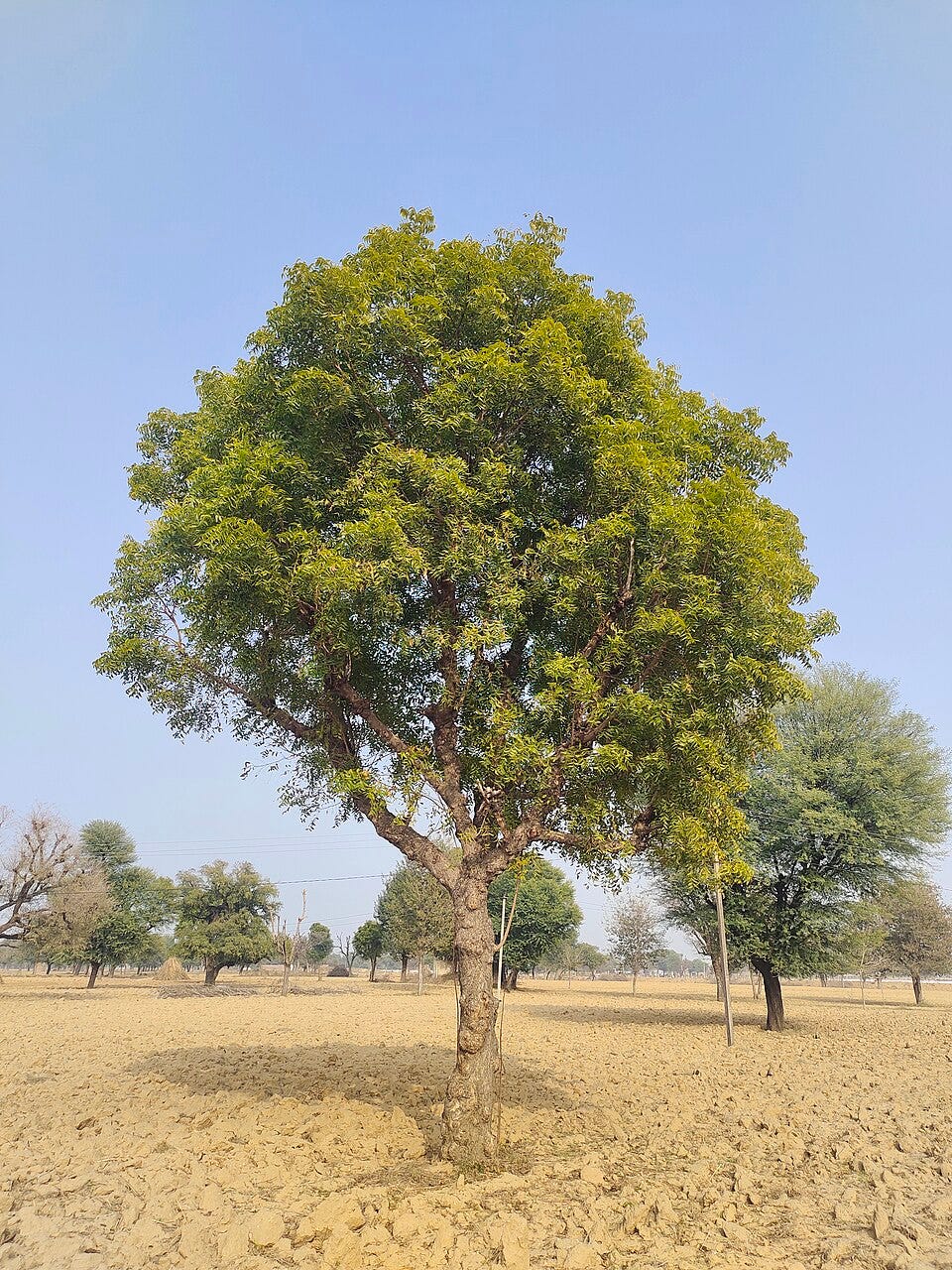
They wrapped both in white and laid them beneath the gnarled neem tree outside the village wall. Roderick stood apart, his face a hard river-stone. Amina’s parents would not even let him see her body. As he stood hiding behind a silk-cotton tree, the wind hissed through branches, memorizing his indifference.
That night, the neem tree’s leaves turned inward, as though whispering a pact with the dark. From the raw loam rose Amina’s spirit, her curly hair trailing, eyes gleaming like bruised stars and her pain twisting her one beautiful face. No longer mother, no longer wife, she was a churile, born of grief and fire. Her feet turned backward, yet her purpose strode forward. She was born of pain and would weigh the hearts of faithless men. If they were found wanting, they would be broken and destroyed.
Villagers soon spoke of a pale figure drifting through mustard fields, of footsteps echoing after liars. One rainy day Roderick was found lifeless beneath the same neem whose roots drank his wife’s sorrow. Mothers spoke the tale into their sons’ ears like medicine mixed with warning. On the seventh night after her rising, the air itself recited a poem. Some say it was the churile’s own breath unspooling; some say it was the neem singing a dirge of remembrance.
Song of the Neem
O womb of clay and broken trust
Where love once lay, now coils with dust
O river that forgot to flow
Bear witness to a mother’s woe

Faithless tongue, oath undone
May every lie eclipse the sun
And should your promise rot like leaves
My shadow follows, and never leaves
To this day, many brides will braid neem sprigs into their hair, and husbands, when harvest ale loosens their tongues, glance at moonlit doorways with unease. For the earth remembers each footfall, the wind every vow, and the Neem-Tree’s Daughter every betrayal. So, tread honest, traveler, and speak your promises carefully; the night is listening.
Bio: Brian Sankarsingh is a poetic firebrand, a sharp, thoughtful storyteller who walks the crossroads where Caribbean folklore, social justice, and the human condition collide. He is a truth-seeker who questions political tribes, challenges lazy platitudes, and writes with a deep pulse of empathy, always pushing for nuance whether you're exploring grief, cultural identity, or the monsters that haunt cane fields and hearts alike. He blends advocacy and art seamlessly. He is part historian, part philosopher, part bard, driven by a hunger to illuminate overlooked stories and empower marginalized voices.

Thanks for reading Seeking Veritas Blank Pages to Bold Voices. Subscribe for free to receive new posts and support my work.